
There’s something almost violent about how we approach creativity when we’re desperate for results. We grip the problem like we’re strangling it, convinced that force will somehow unlock what gentleness cannot.
Before becoming the Buddha, Siddhartha had a simple theory about spiritual awakening: limitless effort. Discipline until it hurts. Absolute control over body and mind, the more suffering, the closer to truth. Then he overheard, almost by accident, a father teaching his son how to tune an instrument. The revelation came in simple words: the string needs exact tension, not so loose it doesn’t vibrate, not so tight it breaks. Music lives in the balance between extremes.
This understanding was born from his own journey through extremes: the suffocating comfort of palace walls where nothing meaningful happened, then years of self-torture with ascetics, tightening his discipline until his body nearly broke. Only in that moment of hearing about the string did he understand that every genuine search, like music, requires balance.
The second flashlight
This same tension reveals itself in how our mind actually solves problems. I’ve noticed something strange about getting older: my memory isn’t as sharp, words sometimes escape me, and I find myself searching through this vast library of experiences like someone fumbling with a flashlight in the dark.
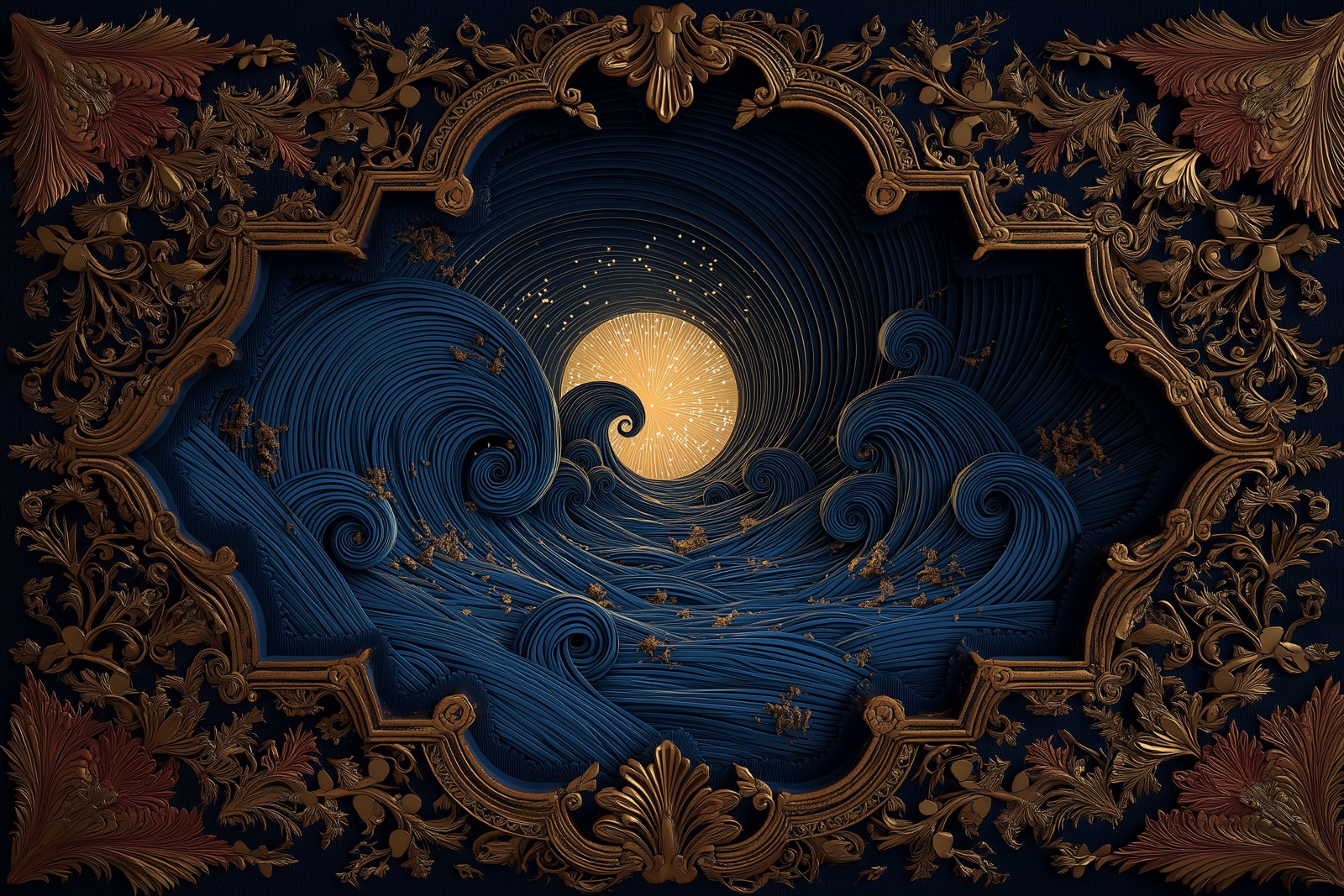
But here’s the paradox: when the conscious mind gives up, a second mind takes over. It’s as if there’s another mind working backstage, one that operates better when I’m not watching. The discovery arrives in the shower, during walks, in the middle of conversations about completely different things. My best ideas arrive precisely when I’m not consciously working on the problem.
This background mind needs space to breathe. It requires that special kind of empty time, creative idleness, which isn’t laziness, but a deliberate loosening of the string. Those moments when I’m wandering without urgency, exploring without needing to arrive somewhere specific. It’s an investigative conversation with myself, without deadline pressure or anxiety for forced solutions.
The strange discipline of discomfort
There’s also the active side of things: moments when we deliberately tighten the string. The morning workout I dread, the awkward conversation I don’t postpone, the minor discomfort I embrace, each of these acts shapes an internal fortress.
I know someone who invented a sophisticated form of personal torture: waking up early to run, because he hates it. EVERY SINGLE DAY! My sanity doesn’t yet allow such dedication to this “refined masochism,” but the strategy makes sense. I’ve started embracing this principle: exposing myself to discomfort I choose prepares me for discomfort I don’t choose.
The divine rest
I always think about this image: an omnipotent being who chooses rest on the seventh day. If the greatest of creators rested, what does our inability to stop reveal about us? Perhaps rest isn’t about recovery, but about remembering why we create in the first place, about touching something beyond mere execution.

Farmers know a secret we’ve forgotten: the most fertile land is the one that was allowed to rest. Fallow isn’t abandonment, it’s preparation. While the field seems unproductive, invisible roots strengthen, nutrients reorganize, life prepares to explode. Our creativity obeys the same natural law.
The hero’s journey
Nature’s cycle teaches us that after rest comes growth, and with it, inevitably, resistance. The seeds that germinated in resting soil now need to break through earth, face winds, seek light. There’s an ancestral truth in this: it’s resistance’s own weight that gives substance to life. There’s no heroic journey without the obstacle that seems impossible to overcome. The dragon isn’t there to stop us, it’s there to force us to become someone capable of defeating it.
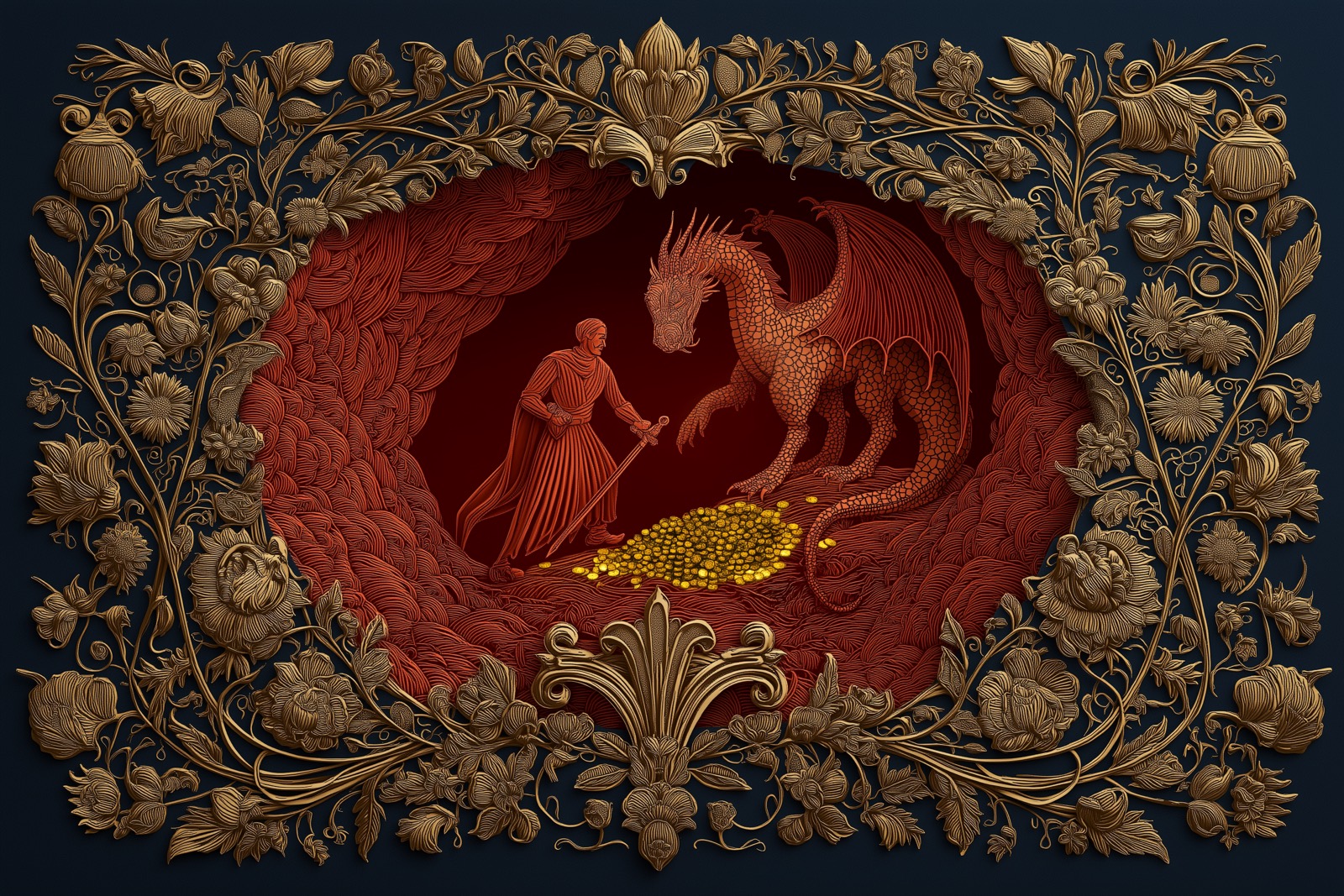
There’s a fundamental difference between random suffering and chosen challenge. The first diminishes us; the second builds us. When we consciously choose to face something that scares us, we’re not just solving a problem, we’re discovering internal resources we didn’t know existed. That’s why every great creative achievement is preceded by a period that seems impossible to overcome.
Finding the sweet spot
Maybe I’m romantic, but I believe there’s something beautiful about learning to consciously sustain this tension. It’s not about choosing between discipline and flow, effort and ease. It’s about developing the sensitivity to know when to tighten and when to release, when to push and when to pause.
The musician’s son learned to feel the string’s resistance, to perceive that sweet spot where the instrument wants to sing. We can develop this same sensitivity with our own creative process, recognizing when we’re forcing what should flow, or loosening what needs structure.
Sometimes the most productive thing you can do is nothing productive. Sometimes discovery comes from the courage to expose yourself to what you fear most.
The music was always there, waiting for the right tension to be set free.
To continue the dialogue
Thank you for accompanying me in this reflection. This text is part of an ongoing investigation into design, creativity, AI and narrative that overflows into practice at my studio and in the tools I build. If these ideas resonated, I’d love to continue the conversation.
Where to find me: Pedro Brêtas and pedro@reinostudio.com
Projects: Reino Studio and Fale com Amia