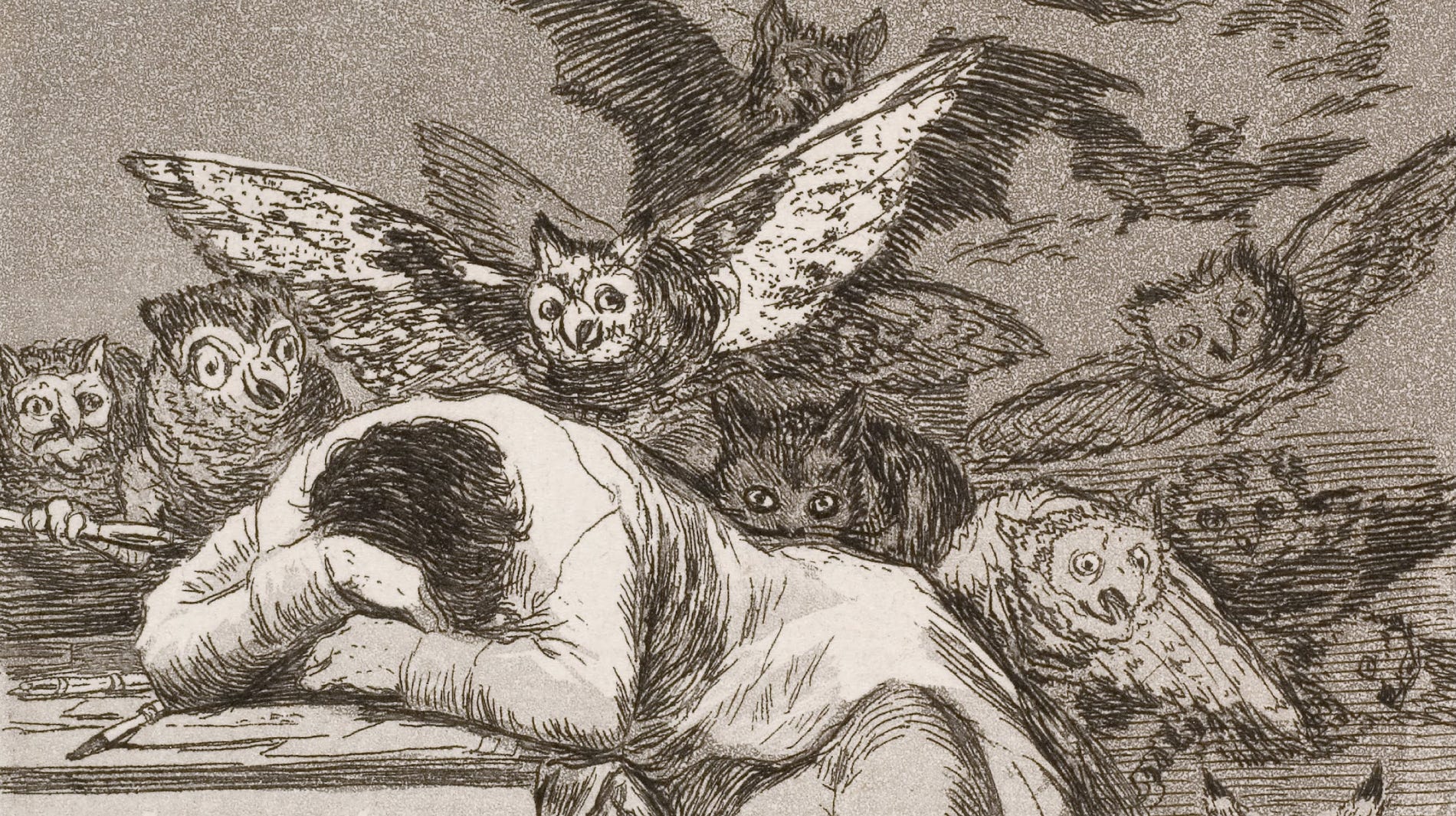
Is my creativity still mine, or just a reflection of what I consume?
That question hit me last week, when a client asked for “something like that website, but different.”
I paused. Not sure if I should laugh or feel exposed.
Maybe both.
This is the creative paradox we live in: everyone wants to stand out, but using the same references as everyone else. It’s like asking for a unique fingerprint based on someone else’s hand.
At REINO STUDIO, a design boutique in Rio de Janeiro, I witness this beautiful contradiction daily. We’re drowning in inspiration, yet somehow everything starts looking the same. The overload of visual references, tight deadlines, and the collective fear of taking risks create an environment that often stifles the very creativity clients are paying for.
But here’s what I’ve been thinking about lately: is this pressure actually the problem, or are we just terrible at dealing with discomfort?
The uncomfortable truth about speed and depth
There’s this constant tension between delivering fast and creating meaningful work. And honestly? I’m not sure we’ve figured this out yet.
On one hand, there’s wisdom in that startup mantra: “If you’re not embarrassed by the first version of your product, you launched too late.” Speed allows us to test, learn, and iterate. It keeps us from over-polishing ideas that might not even resonate.
But design has this incredible power to show care. To offer beauty to the world. It’s almost a form of love. When we rush through that process, we risk losing something essential.
The question isn’t whether to choose speed or depth, but rather: what’s most strategic for this client at this specific moment? And here’s where it gets interesting: sometimes the most strategic thing is admitting you don’t know.
I remember working with a client early in my journey. A studio creating stunning 3D images and illustrations for agencies.
In my initial approach, I obsessed over universal accessibility. I was thinking about Brazil’s internet infrastructure. Making sure everyone could access the site smoothly. Very noble. Very wrong.
But after really listening to the client, I realized I was missing the point entirely. Their audience wasn’t the general public. It was creative directors with high-end machines, premium displays, and excellent internet.
By prioritizing universal access (which came from a good place), I was doing a disservice to the people who needed to see those images in all their detailed glory. I was being democratically stupid.
That’s when it clicked: empathy in design isn’t about applying our own moral framework. It’s about understanding the context so deeply that our personal biases become irrelevant.
The paradox of building creative foundations
The real antidote to creative stagnation isn’t found in design blogs or trend reports. It’s in expanding our entire worldview.
But here’s where I start questioning everything: if everyone is reading the same books, watching the same films, consuming the same “cultural references”, are we just creating a more sophisticated echo chamber?
I’m not talking about reading a book and mechanically applying its lessons to your next project. It doesn’t work that way. It’s more holistic. When you engage with literature, art, mythology, or casual conversations, you’re not collecting references. You’re developing a broader perspective on the world.
We can get so caught up in techniques or what’s trending that we lose sight of the bigger picture. But when your foundation is wider, you start seeing connections others miss. Or at least, that’s what I tell myself when I’m reading philosophy instead of learning the latest design tool.
The evolution of everything (including our delusions)
The creative process is never linear. Originality isn’t about creating something from nothing. It’s about transformation.
Look at how any concept evolves over time: the representation of an owl, for instance, has been reinterpreted across centuries, cultures, and contexts. When I recently redesigned a brand featuring an owl, I wasn’t trying to invent something completely new. I was taking historical references and finding a contemporary voice that felt both familiar and fresh.
That’s what originality really is. The ability to synthesize influences in a way that creates genuine connection and meaning. Or maybe it’s just a prettier way of saying we’re all stealing more elegantly.
Making peace with uncertainty
Originality takes time, attention, and intention. Even under pressure, it’s possible to stay creatively consistent when you build with depth rather than just reacting to immediate demands.
The market will always be saturated. Trends will come and go. Clients will always want things fast and safe. But in that space between pressure and possibility, between speed and meaning, that’s where something interesting might happen.
Maybe the question isn’t how to eliminate pressure, but how to dance with it. How to use it as fuel rather than letting it consume the very creativity it’s meant to serve.
Or maybe I’m completely wrong about all of this. Maybe creativity under pressure is just a romantic notion we tell ourselves to justify the chaos.
What do you think? Are we actually getting more creative under pressure, or just better at convincing ourselves that stress equals innovation? I genuinely don’t know anymore, and I’m curious if that uncertainty is part of the process or just professional anxiety dressed up as philosophy.